Why Attic Air Sealing Matters Before Winter
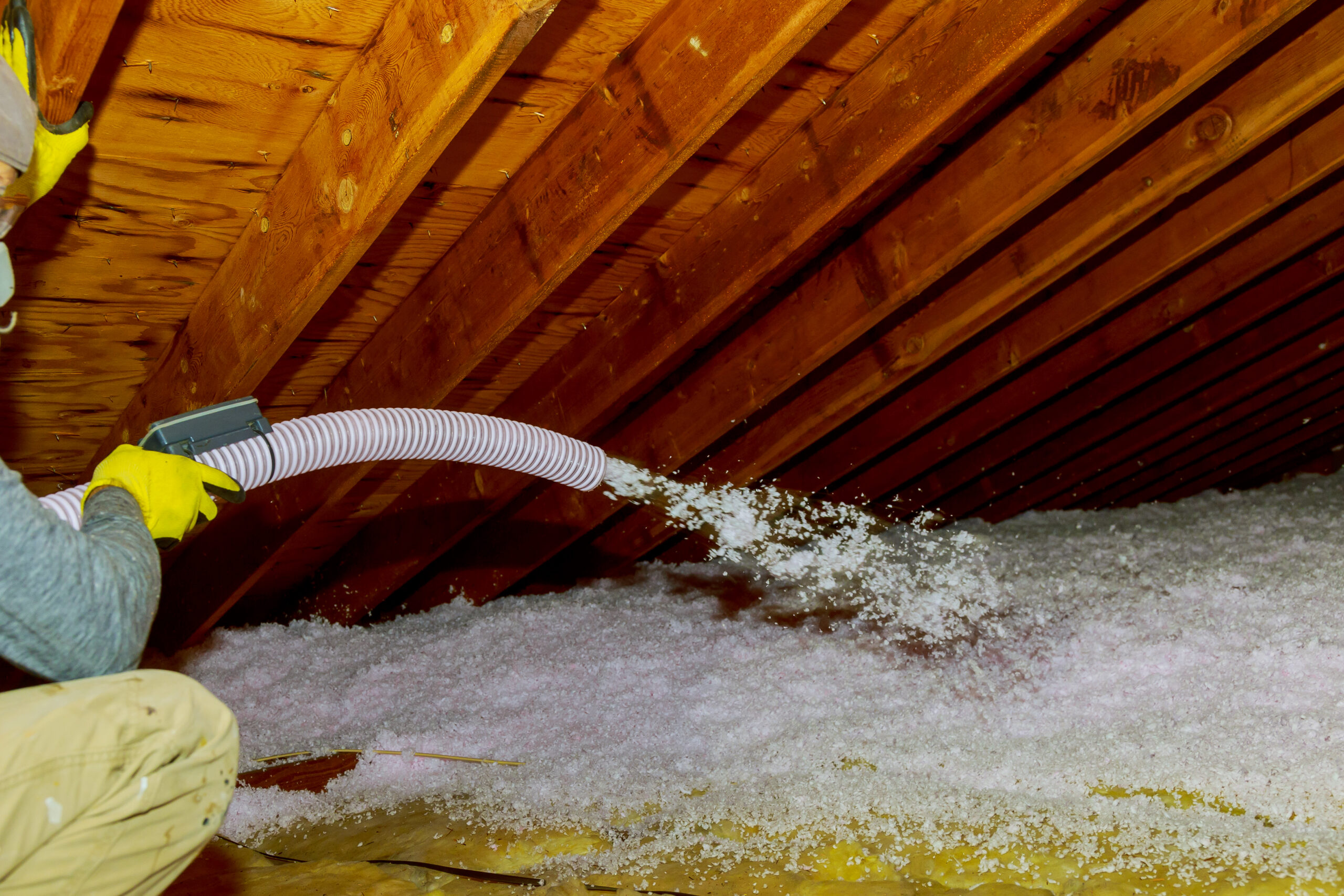
Warm air can escape through small openings in your ceiling and enter the attic. These openings are called attic bypass leaks. During winter, escaping air can make rooms harder to heat and carry moisture into the attic. Attic air sealing by S&K Roofing can help reduce these problems before colder weather arrives in Maryland and Northern Virginia.
What Are Attic Bypass Leaks?
Attic bypass leaks are openings that let heated air escape from your home into the attic. They often form around plumbing pipes, electrical wiring, recessed lights, and attic access hatches. Some gaps are hidden behind finished ceilings or walls.
Why Air Leaks Matter More in Winter
When warm air escapes through the ceiling, rooms below can feel colder. Your heating system may run longer to maintain a comfortable temperature, which can raise your winter energy bills. Sealing attic air leaks helps keep more heated air inside your living space.
Escaping Air Can Carry Moisture Into the Attic
Activities like cooking and showering add moisture to indoor air. When warm, humid air reaches a cold attic, condensation can form on the underside of the roof and nearby wood. Repeated moisture exposure can damage insulation, encourage mold growth, and affect roofing materials.
Attic air sealing reduces the amount of indoor air entering through ceiling gaps. Proper insulation and ventilation also help manage attic moisture.
Air Leaks Can Contribute to Ice Dams
Heat escaping into the attic can warm parts of the roof. Snow may melt over those warmer areas and refreeze near colder roof edges, forming ice dams. Water can then back up under the shingles and damage roofing materials.
Air Sealing and Insulation Work Together
Warm air can still escape through gaps around pipes or wiring when insulation covers the attic floor. Air sealing closes those gaps, while insulation slows heat transfer. Together, air sealing and proper attic insulation can improve indoor comfort and reduce winter heat loss.
Signs Your Attic May Have Hidden Air Leaks
Gaps can be hard to spot when they’re concealed beneath insulation or above ceiling fixtures. You may notice signs of heat loss or moisture buildup before you see a gap.
Watch for these common signs:
- Drafty rooms
- Higher heating bills
- Damp attic insulation
- Frost or condensation in the attic
- Musty attic odors
- Recurring ice dams
Insufficient insulation and blocked vents can cause similar problems. If you notice several of these signs, air sealing, insulation, and ventilation are all worth considering.
Why Attic Ventilation Matters Alongside Air Sealing
Air sealing closes gaps between your living space and the attic. Attic vents provide a separate path for outdoor air to circulate. Soffit vents let air in, while ridge vents or other exhaust vents let it out. When these openings are blocked, moisture can build up in the attic.
When we discuss attic insulation or roof ventilation with homeowners, our representatives can look for visible issues such as blocked vents or signs of moisture. Our roof ventilation services help address airflow problems that can contribute to moisture buildup.
Address Hidden Attic Leaks Before Winter
Small ceiling gaps can add to heating costs and let moisture reach your attic. If your upstairs rooms are hard to keep warm or you’ve noticed damp insulation or recurring ice dams, fall is a good time to discuss your options.
If you’re in Maryland or Northern Virginia, contact S&K Roofing to talk about attic insulation, roof ventilation, and ways to reduce heat loss before winter.




see our work