

Freeze–Thaw Flashing Failures: Winter Leak Warning Signs
One of the most common causes of winter roof leaks is flashing failure. Flashing is the metal material that surrounds your roof protrusions. Its job is to create a waterproof seal that prevents excess winter moisture, like snowmelt, from entering your home. Understanding how the freeze-thaw cycle can impact your flashing can allow you to be proactive in preventing future problems.
Why Freeze–Thaw Cycles Target Flashing and Roof Transitions
Flashing is commonly installed around your roof joints, chimneys, dormers, skylights, roof valleys, and other transitional points. Under normal conditions, your flashing is very effective. However, it can be susceptible to freeze-thaw roof damage during the winter months.
During the winter, snow and ice will accumulate on the surface of your roof. As temperatures outside rise above freezing, the snow will begin to melt into water. Water will seep into the smallest cracks and gaps that it can find in your roof. This includes fasteners for your flashing and any existing defects it may have.
When the temperature drops to below freezing overnight, water in those susceptible areas will freeze. When water turns into ice, it expands in size. This can loosen the fasteners or force the existing defect in your flashing to become wider. Repeated expansion and contraction due to the freeze-thaw cycle throughout winter can cause damage to your roof. Your fasteners, metal flashing, and even your sealants can all eventually degrade.
Over time, what once was a tight and waterproof seal becomes compromised. Winter roof leaks develop and start damaging the decking and other internal components of your home. There are some areas of your roof’s flashing that are more vulnerable than others to this freeze-thaw roof damage.
Winter Leak Warning Signs Around Chimneys, Dormers, and Intersections
Many homeowners will experience a chimney flashing leak or even a dormer roof leak. During these roof intersection flashing applications, there are often complex geometric shapes. This means there are many different angles coming together, which makes them more susceptible to water intrusion. Knowing the key signs to look out for will let you know when your flashing is failing and needs to be repaired. Seeking repairs as quickly as possible is the key to minimizing the damage to your home due to flashing failure.
One of the most obvious signs that you have a water problem from a dormer roof leak or other type of leak is water stains. These often appear as yellow or brown rings on your ceilings or walls. In cases of a chimney flashing leak, you’ll notice the water stain near where your chimney passes through the roof.
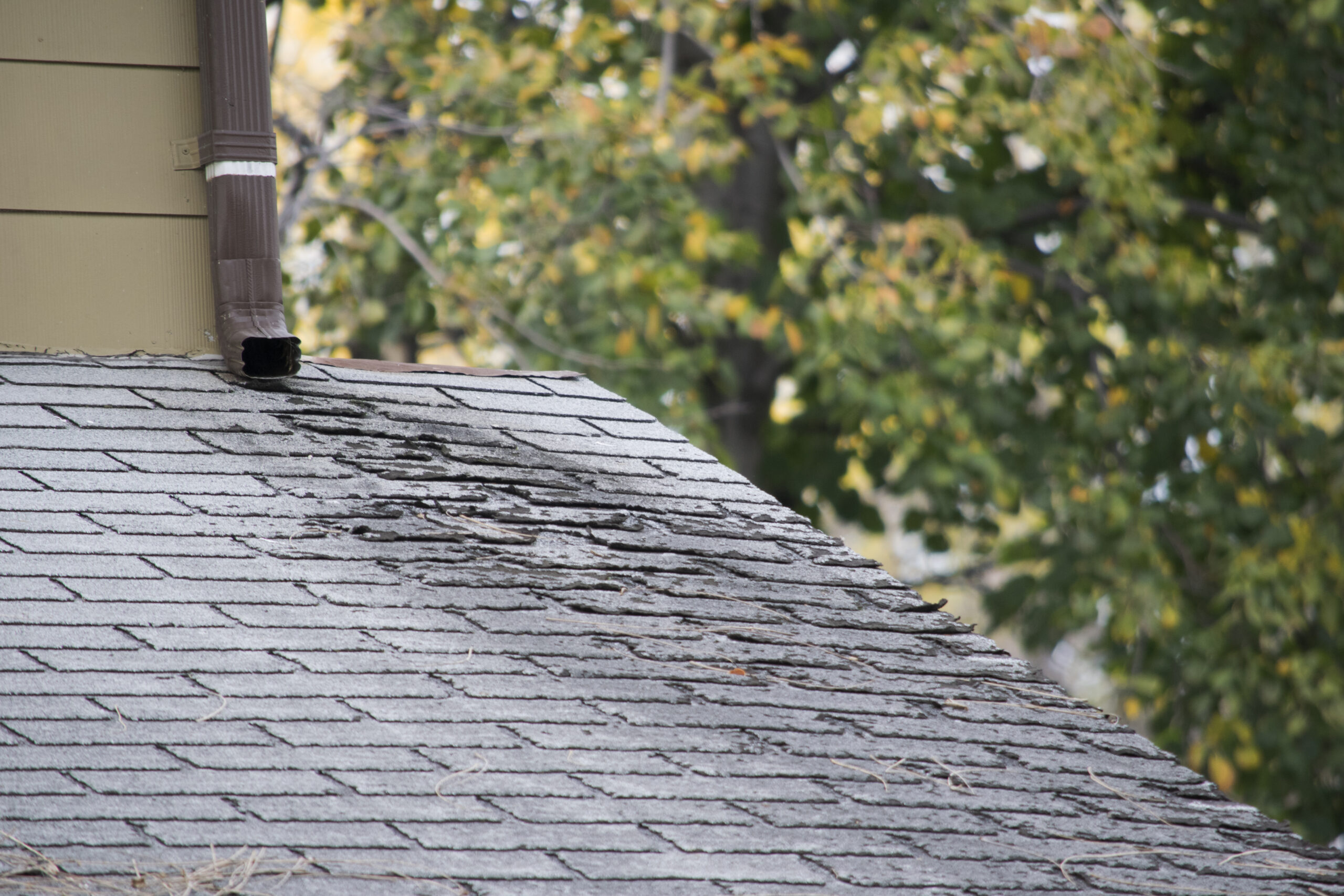
There may be damage to a particular area of flashing if the shingles around it show signs of problems. These could be curling shingles, lifting, or even cracking. Loose shingles indicate that water is penetrating underneath them. You may also notice rust or corrosion developing on the flashing, which indicates repeated moisture issues. Anywhere you see a visible separation at your roof intersection flashing, it means water can infiltrate.
Prevention and Repair Planning Before the Next Cold Snap
Now that you understand the signs of roof leaks, it’s important to do everything possible to prevent them from happening in the first place. One of the best things you can do is get an annual roof inspection. During this inspection, a qualified roofing professional will assess all of your flashing and other roof components. They’ll be able to identify any vulnerabilities, like loose flashing or gaps, that need to be repaired.
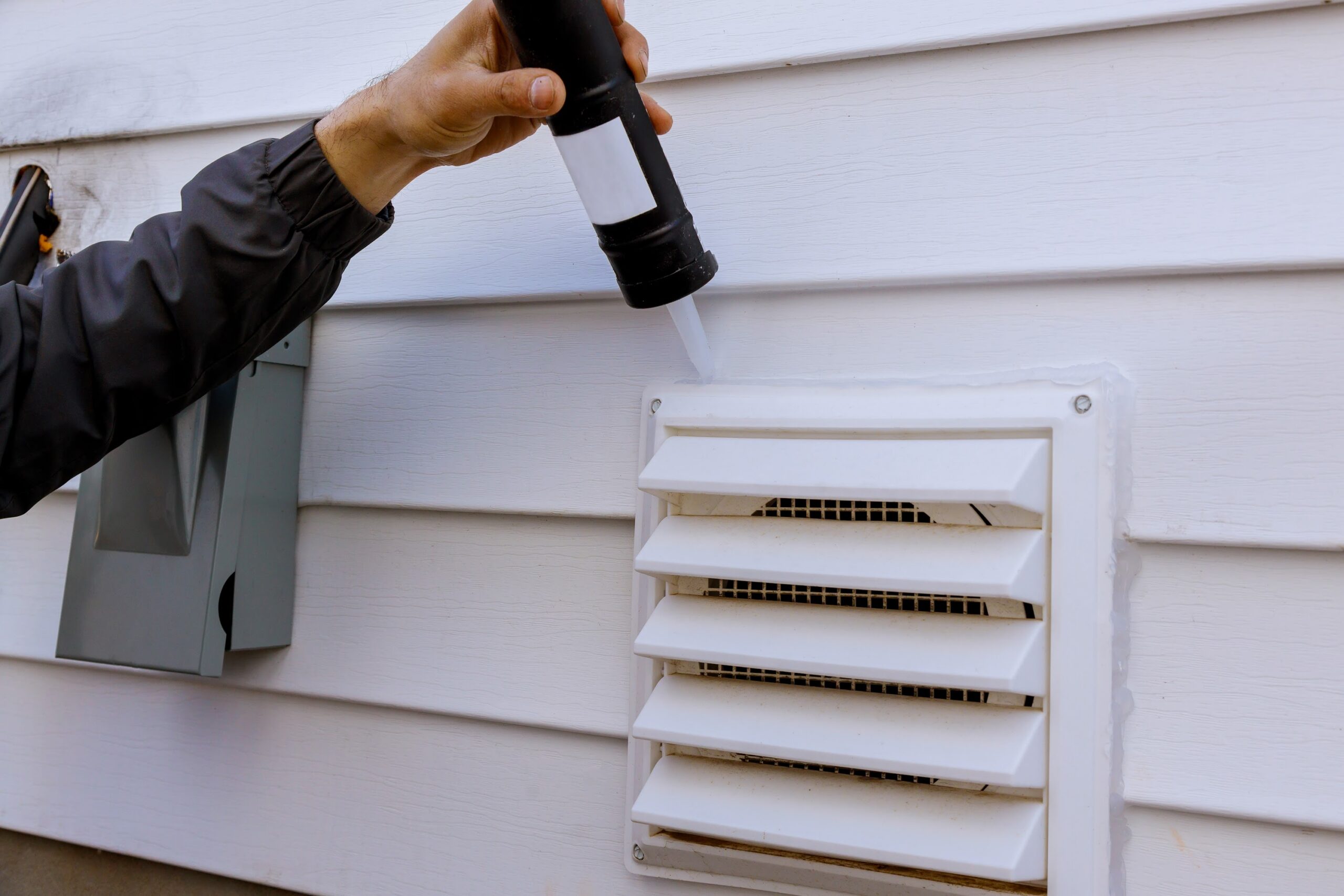
Routinely replacing degraded caulking or sealants is key. You never want to keep using deteriorated sealant on your roof, as it won’t maintain a watertight barrier. The freeze-thaw cycles will severely deteriorate any susceptible caulking or sealant. If there are any pieces of heavily damaged, warped, or corroded flashing on your roof, they need to be replaced.
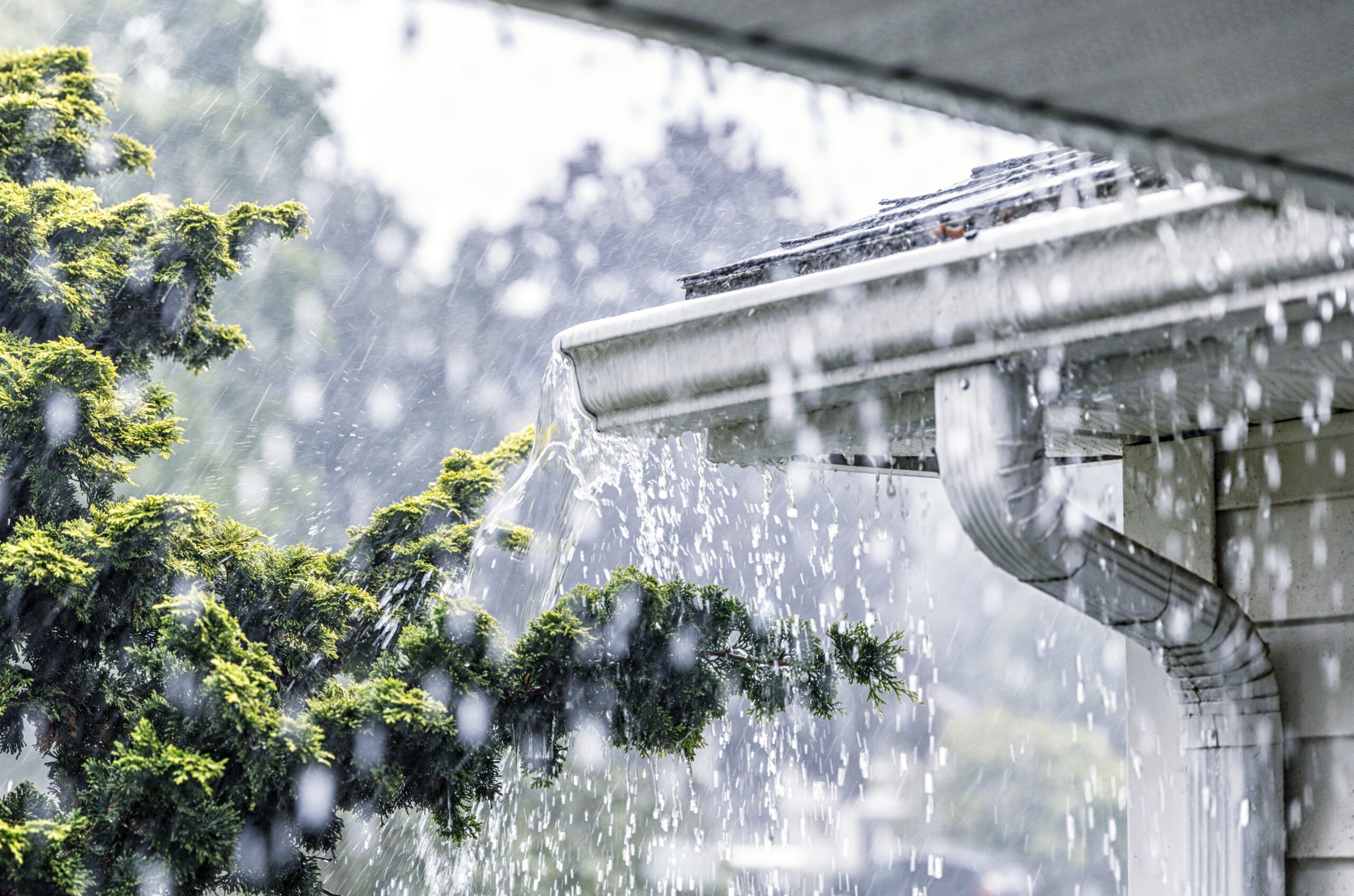
Furthermore, it’s important to routinely clean out your gutters and downspouts. This will prevent water from backing up onto your roof near your flashing and roof intersections. Anytime you notice issues with your roof, such as ice damming, it needs to be addressed. Getting emergency roof repairs to prevent more damage will help maintain the integrity of your entire roofing system.
When to Schedule a Flashing Inspection vs. a Roof Repair Visit
S&K Roofing is the trusted expert for roofing in the Maryland, Virginia, and DC areas. We highly recommend scheduling a roof inspection every fall to prepare your roof for the upcoming winter season. This will help catch any problems with your existing flashing before the dangerous freeze-thaw cycle sets in. Whenever you notice a problem with your flashing, it’s important to get prompt roof repair service. You never want to let these issues go, as doing so could lead to more damage to your home.
We conveniently offer financing upon approved credit for roof replacements. Call us today to get the professional roofing assistance you need.

see our work