

Cold Rain, Warm Attics: How Mid-Atlantic Winters Age Asphalt Shingle
The Mid-Atlantic region, including Virginia, Maryland, and DC, has a fairly tame climate, but it can still get very rough. It’s especially hard on roofs, as the contrast between very humid summers and dry, cold winters wreaks havoc on most roofing materials. Also, the cold, wind-driven rain whittles roofs away very effectively. While this weather might seem less severe than a true northern winter, the frequent shift between weather conditions accelerates the aging of asphalt shingles.
At S&K Roofing, we know that a reliable roof is your home’s first and best line of defense against the elements. Because we understand the area’s weather patterns, we also know which roofing materials work best in this region. We can precisely identify which materials are more likely to hold up for longer. This is a boon for homeowners. We help you fight back against the constant thermal cycling. Let’s go over some specific ways these winter conditions affect your asphalt shingles and what you can do to maintain your roof’s integrity.
Thermal Cycling & Granule Shedding
The main enemy of your asphalt shingles in a Mid-Atlantic winter is not usually the snow load. Although the snow isn’t helping things, the truth is we don’t get much of it here. Rather, it’s the constant temperature fluctuations that degrade roofing materials. The sun might warm your shingles up to 50 degrees in the dead of winter. The next day, however, a cold snap rears its chilly head, the sun hides, and temperatures go below freezing. This process wreaks havoc on every roof, especially those with old, outdated shingles.
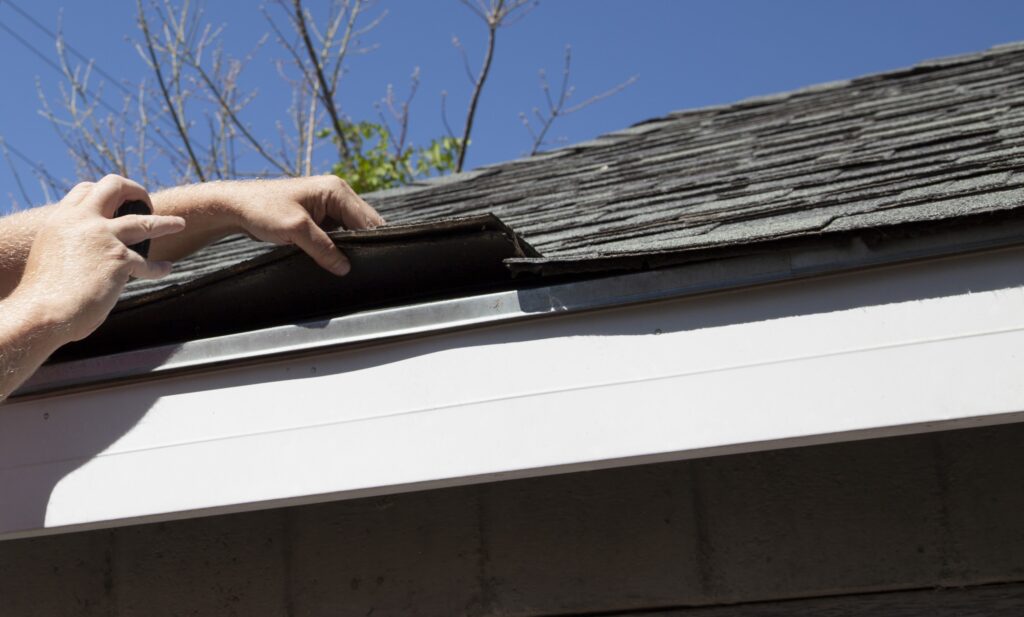
As the shingle material repeatedly expands and contracts, the asphalt binder becomes brittle. This often leads to loss of asphalt shingle granules. The granules, which serve as a crucial layer of protection, shield the asphalt from the sun’s UV rays. Once they are gone, the underlying asphalt is exposed. This means it dries out faster, and the shingle’s lifespan is nearing the end. Effectively, the shingle is without its protective layer. If you see granules accumulating in your gutters or in your yard, it’s a tell-tale sign that your roof needs attention.
Blistering vs. Hail: How to Tell the Difference
When shingles start to fail, homeowners often assume that all damage was the result of the same thing. However, there are two main types of damage: blistering and hail damage. While the end result might look similar, the causes are quite different. Knowing which is which can help you make a better decision about how to fix your roof.
Heat and moisture buildup in the attic results in the slow and steady blistering of shingles. When excessive heat and moisture get trapped under the shingle, gas bubbles form within the asphalt layer. These tiny bubbles rise to the surface, appearing as tiny, raised bumps. It’s that classic lumpy appearance you may have noticed on roofs before.
Over time, the top layer of granules on these blisters wears away, leaving small, circular bare spots on the shingle surface. This is another sign to look out for. It indicates an ongoing ventilation issue. Unfortunately, this is the type of damage that most insurance carriers will not cover.
Hail damage, conversely, creates random impact marks. The impact of the hail creates miniature craters. It looks more like a bruise, with granules forcibly removed. This will often result in a distinct indentation on the shingle mat beneath.
If you see small, raised bumps that are evenly distributed, you’re likely dealing with shingle blistering. This problem starts from the inside out. However, if you see little impact points, like the moon’s surface, then it’s likely hail (storm) damage.
Ventilation & Insulation: Reduce Moisture and Heat Stress
The best defense you can mount against the aging effects of Mid-Atlantic winters is proper attic ventilation and insulation. At least in terms of the blistering. Your roof needs to “breathe.” A poorly ventilated attic traps warm, moist air that rises from the living spaces below. For the hail, there’s not a whole lot you can do realistically to prevent this type of damage.
Problems Caused by Trapped Air
Warmer air trapped in the underside of the roof deck and shingles heats those shingles up. This results in the extreme temperature differential that drives thermal cycling. The moist air will also condense when it hits the cold roof sheathing, leading to mold, mildew, and eventually, rot. This constant heat and moisture put stress on the shingle deck and is a major factor contributing to the blistering described above.
Our team at S&K Roofing excels at solving these common issues. A properly balanced ventilation system. typically involves both intake soffit vents and ridge exhaust vents. This ensures that the temperature in your attic stays within 10 to 15 degrees of the outside temperature. Proper ventilation also helps keep the area dry. This is a critical component of a long-lasting winter roof in Maryland and across the region.
How You Can Spot Potential Issues
As an experienced roofing contractor, we want to advise homeowners to be proactive here. While we do not recommend climbing onto your roof, you can perform a few simple, safe checks from the ground or inside your attic.
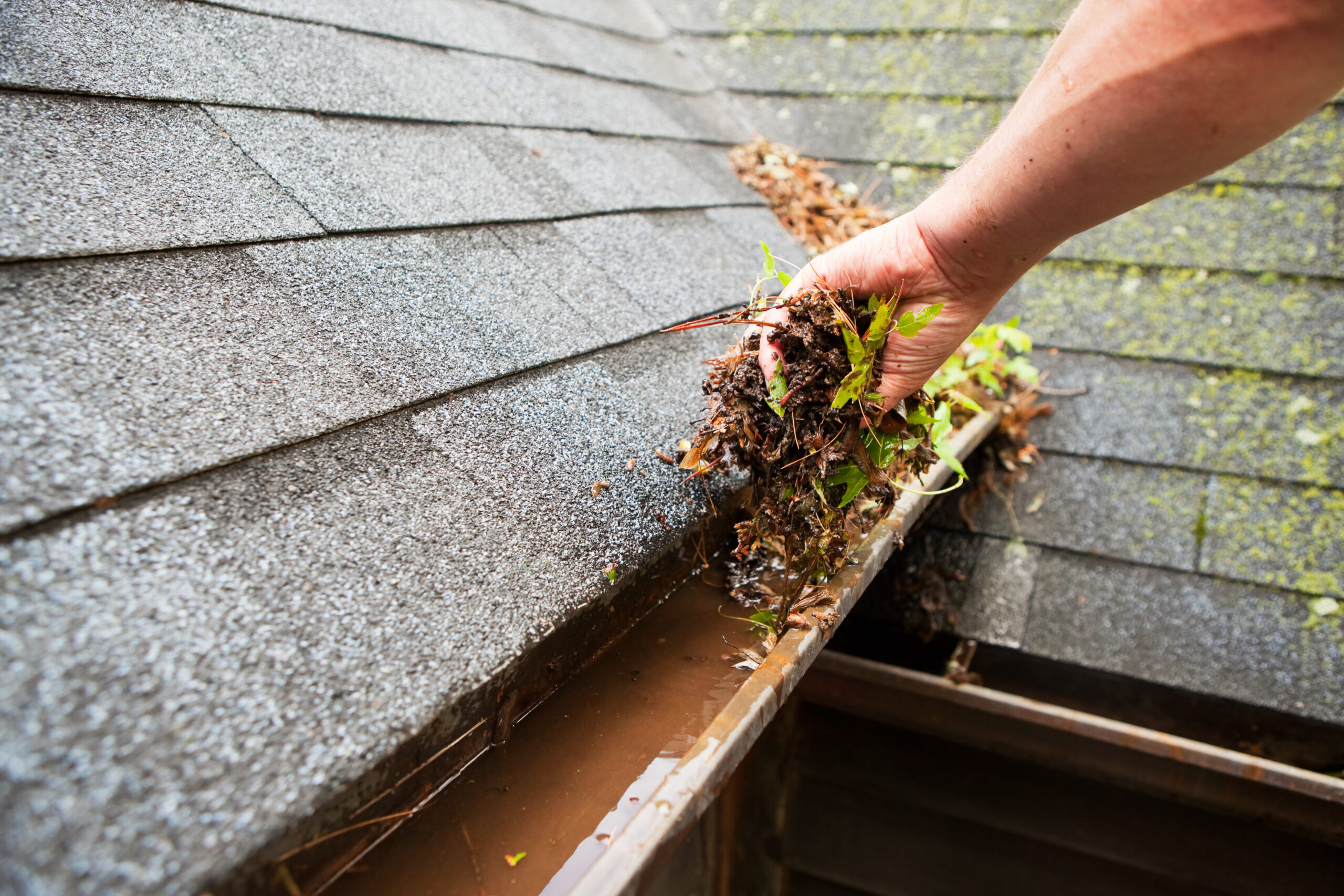
First up, check your gutters and downspouts for large amounts of asphalt shingle granules. A little is normal, but a sudden influx is a red flag.
You should also check your attic (if applicable). On a cold day, go up into your attic. If it is noticeably warmer and more humid than the outside air, you probably need better ventilation. Also, any signs of frost or moisture on the underside of the roof sheathing are cause for concern. Lastly, from the ground, look for areas where shingles are missing, curled, or showing bare spots. Whether blistering or hail damage, the important thing is to notice the issue and contact us.
Contact S&K Roofing for Repairs
If you have any concerns or see signs of aging, don’t wait for a major leak or more damage to show up. Addressing ventilation problems and shingle damage ASAP will save you from more costly repairs down the line. For over 40 years, S&K Roofing has been the trusted area name for roofing and home exterior services in the Mid-Atlantic region. We pride ourselves on providing top-tier solutions to protect your home from the elements. We don’t just fix roofs; we ensure your entire roofing system is equipped to handle the stresses of our local climate.
Whether you are dealing with asphalt shingle granule loss or suspect you have underlying attic ventilation issues, we are your go-to roofing contractor. We encourage you to learn more about our comprehensive roofing services, including repair and replacement, and our commitment to quality. We can also add attic insulation and a ventilation system. You can read all about us and see for yourself why we’re the best option around for your roofing issues. We serve Eldersburg, MD, Sterling, VA, and throughout Maryland, Virginia, and the Washington DC area.
Contact S&K Roofing today for any issues pertaining to your winter roof in Maryland. You can take advantage of a free estimate by acting now.


see our work