

Spring Algae & Moss on Roof Shingles: Safe Cleaning and Prevention for Mid-Atlantic Homes
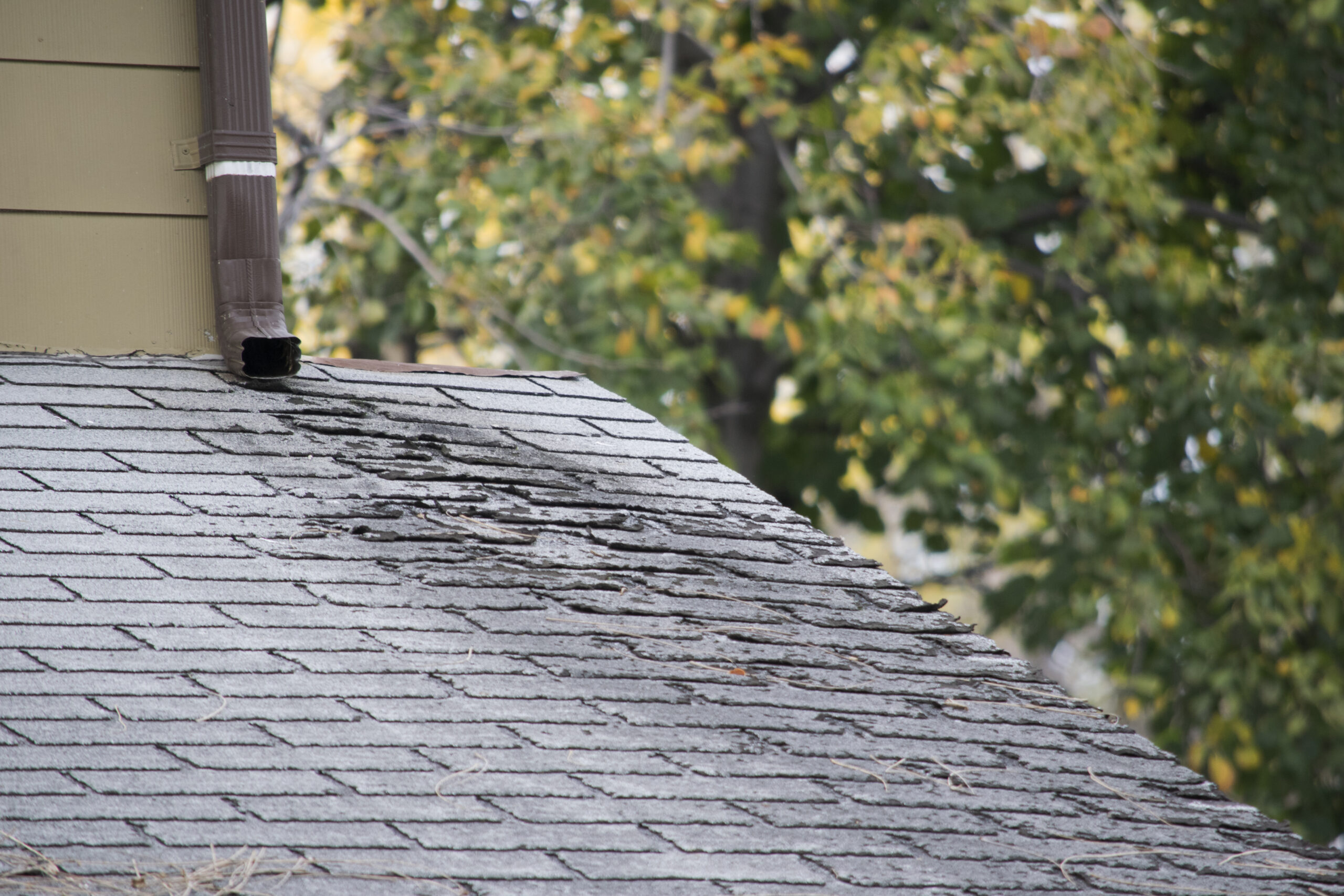
Algae and moss growth are common issues that affect many roofs in Maryland, Virginia, and the DC area. While many people think algae and moss are mainly an aesthetic concern, the growth can damage the roof if left unchecked. The bigger concern is that the type of algae that commonly grows on roofs feeds on the limestone in asphalt shingles, weakening them and causing them to deteriorate over time.
As moss grows, it can lift shingles or even break them, allowing water to seep underneath and potentially leading to the roof leaking. Moss on shingles also traps moisture against the roof, which can lead to the shingles deteriorating. Algae and moss issues typically show up in the spring, and it’s important that you know how to properly tackle them to prevent damage and protect your roof.
Why Algae and Moss Show Up After Winter in Mid-Atlantic Climates
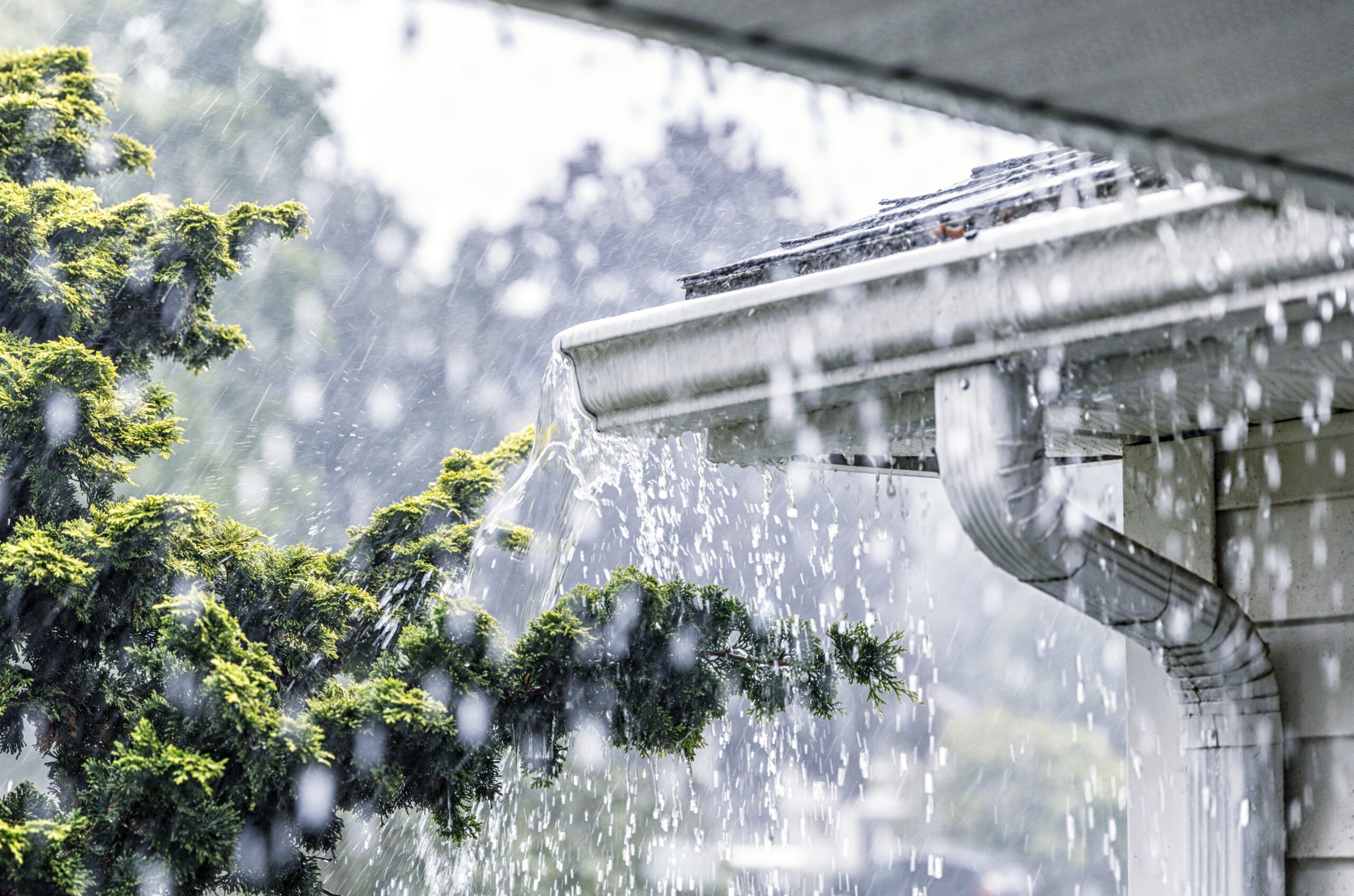
Algae and moss growth slow in cold conditions but thrive in warm, damp environments. This is primarily why you’ll start seeing them growing on shingles once the warmer spring weather and rains arrive. If you don’t clean the roof in the spring to eliminate the growth, the problem will continue to worsen due to the extreme summer heat and humidity.
The lengthening days also contribute to increased mold and algae growth on roofs. Both organisms prefer shaded environments because they remain wet for longer. This is why they’re commonly found on north-facing roof slopes that receive very little direct sunlight and take longer to dry after it rains.
Safe Cleaning Expectations and What to Avoid
Cleaning algae and moss off shingles almost always requires climbing onto the roof. It is something you can do yourself if you have an extension ladder that can reach the roof and are comfortable working at height. However, shingle roof cleaning carries the risk of serious injury or even death, which is why the safer option is to hire a professional.
The most effective method of eliminating roof growth is to use a spray treatment that’s specifically designed to tackle algae or moss. These treatments can take some time to kill existing growth, but they work quite well at inhibiting additional growth for at least three to six months. After applying the spray, you need to let it sit for around 30 minutes and then gently rinse off the shingles with a hose or low-pressure sprayer. If the roof has extensive streaks and stains from algae, it’s sometimes necessary to gently clean the shingles with a soft-bristle brush. In case of extensive moss growth, you manually remove clumps of moss with a brush or plastic scraper.
One major concern with spray treatments is that they make algae, moss, and the shingles themselves incredibly slick, increasing the chances of you slipping and falling off the roof. This risk is why it’s better to hire a professional to clean your roof.
You not only need to take extra safety precautions if you decide to clean the roof yourself, but you also need to take care not to damage the shingles. One thing you should never do is use a pressure washer to clean shingles. Pressure washing a roof will blast off many of the protective granules that coat the shingles and can easily break or crack shingles as well.
Using a stiff-bristle brush is never recommended, as this can also remove many of the granules. If you need to use a brush, you should always brush downward so that you don’t lift the shingles and potentially crack or break them. You also need to be careful not to lift any shingles when removing moss growth by hand.
Prevention Strategies That Protect Shingles Long-Term
There are some basic steps that you can take to help protect your shingle roof by lessening algae and moss issues. Trimming back any tree branches that cast large shadows on the roof is helpful, as it allows more sunlight to hit the roof so that there are fewer damp spots. It also reduces the amount of debris that falls onto the roof and then retains moisture. Regularly cleaning your gutters is important for preventing them from getting clogged. If the gutters are clogged and don’t drain properly, it can cause moisture buildup along the edges of the roof that encourages algae and moss growth.
A roofing company can install zinc or copper strips near the roof ridges that specifically work to inhibit moss and algae on all of the shingles. It’s generally recommended to install the strips when replacing the roof, but they can sometimes be installed on an existing roof if special precautions are taken not to damage the shingles. There are also algae-resistant shingles that you can use when replacing your roof. These shingles contain copper granules that prevent algae growth, making them an effective option for roof stain prevention.
When to Schedule a Roof Evaluation for Stains or Growth
Moss and algae growth aren’t just unsightly. They also pose a serious threat to the roof, increasing the chance of leaks and shortening the life of the shingles. As such, it’s important to call an experienced roofing company for an evaluation if you start noticing excessive growth, streaking, or stains.
Get Trusted Roofing Service
At S&K Roofing, our experienced team can handle all of your Mid-Atlantic roof maintenance needs. From cleaning to roof repairs, we have the solutions to keep your home’s roof in good condition. With 40+ years of experience, we’re also the name to trust for professional roof replacement in Maryland, DC, and Northern Virginia. To schedule a roof evaluation and get help tackling algae or mold issues, contact us today.

see our work