

Window Condensation vs. Failed Seals: Why Glass Fogs Up in Winter (and When to Replace)
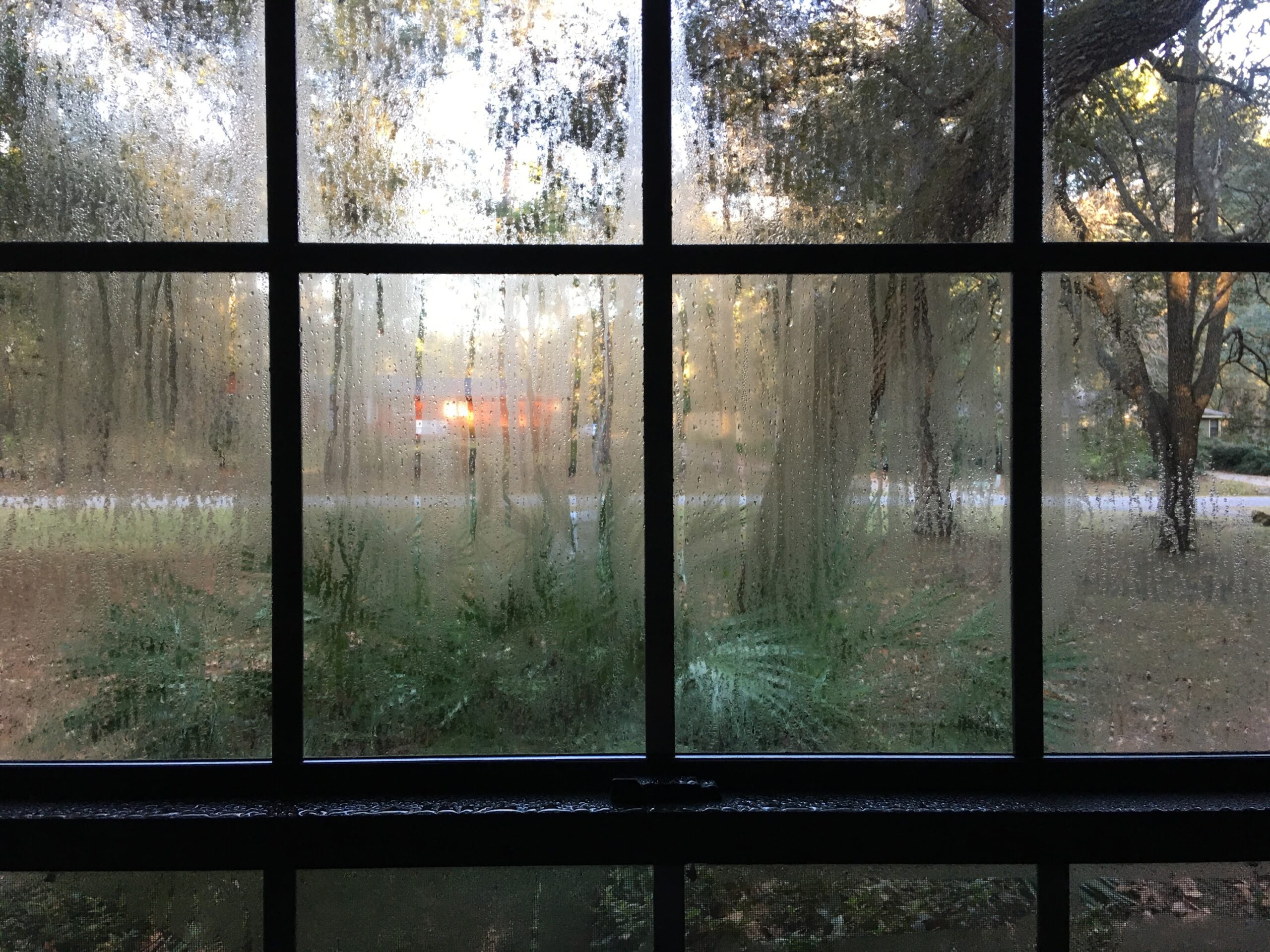
Fog often appears on panes when temperatures drop, creating headaches for people managing homes or business buildings alike. When glass begins to look cloudy or hazy, it’s not always clear whether the cause is simple indoor moisture or a more serious window problem that needs attention.
Understanding the difference is important for protecting comfort, energy efficiency, and long-term property value. At S&K Roofing, Siding & Windows, we help customers across Maryland, Virginia, and Washington, D.C. identify whether window condensation inside is seasonal or a sign that window replacement should be considered.
What “Normal” Winter Condensation Looks Like and Why It Happens
Normal winter condensation happens when warm indoor air comes into contact with cold window glass. As temperatures drop outside, moisture in the indoor air settles on the interior surface of the glass, especially overnight or during very cold mornings.
This reaction becomes more noticeable during winter because heating systems raise indoor temperatures while outdoor air remains cold. The sharp contrast causes moisture in the air to cling to cooler surfaces, and windows are often the coldest point in a room.
Condensation on window glass often shows up when cold months arrive. Daily actions, such as boiling water, bathing, and using machines, release moisture into the room air; that vapor drifts toward cooler spots, especially panes facing outside. Homes and commercial buildings that are well sealed for energy efficiency may experience this more often. Tighter construction limits airflow, which means moisture stays indoors longer and has fewer places to escape.
Condensation often shows up inside the house, right against the glass surface. As indoor warmth levels out through the morning hours, visibility tends to improve. While it can be bothersome occasionally, mist near windows does not point to broken seals or weaknesses in how panes are built.
Still, ongoing condensation demands care. As time passes, trapped water may compromise window structures, harm adjacent moldings, and deteriorate nearby surfaces, particularly if chilly conditions prolong wetness on materials near the pane.
Failed Seals: The Signs of Moisture Between Panes
A broken seal around the window often leads to bigger problems, unlike condensation that forms on the glass surface. Insulated glass setups in today’s windows depend on tight closures to block moisture while supporting steady performance. These units fail when air leaks develop over time.
Should a seal fail, external air flows into the gap between the glass layers. As moisture builds up inside, it becomes trapped, forming a fog that can’t be cleaned off. The blur tends to show more clearly in colder months due to sharper shifts in heat levels.
Most of the time, a broken seal around glass reduces how well it retains heat. Because of this, rooms can turn chilly close to windows, so heaters run longer to keep things steady.
Fog that lingers within the windows often signals trouble. A cloudy film or irregular marks across the surface might follow. Energy performance tends to dip at that stage. Cold patches form close to the frame, hinting at compromised insulation. Once such issues show up, normal operation has clearly slipped, and an expert assessment becomes necessary under these conditions.
Repair vs. Replace: When New Windows Are the Better Investment
A failed window seal usually leads homeowners to question if repairing it makes sense or if replacing the whole unit works better. Often, installing a new one brings greater benefits over time, particularly when the current setup is outdated or underperforming.
Once a seal fails, it remains compromised; no fix can restore what was lost. Short-term fixes fall short in returning the glass to its initial performance. However, replacing the damaged panel clears up fogging and boosts how well heat is kept inside. This replacement matters most when cold months test home comfort.
New windows also offer improved materials, stronger seals, and better overall thermal performance. This can significantly reduce repeated foggy windows in winter while enhancing comfort and appearance. Our team of specialists can evaluate window condition, performance, and age to determine when replacement is the smartest investment for your home.
A Simple Checklist to Decide Your Next Window Step
What shows up on your glass shapes the next move, and watching how it behaves matters. Noticing when and where changes appear gives clues about what’s really happening.
When the insides of your windows get foggy, but it goes away as conditions shift, moisture is likely collecting on surfaces. If cloudiness stays locked between glass layers, the seal has probably stopped working properly. As cold months arrive, higher heating bills or chilly spots nearby can mean your windows aren’t as effective.
Fixing a failing seal quickly can stop wasted energy while safeguarding nearby components. Knowing the difference between seasonal condensation and moisture between panes allows you to make confident, informed decisions.
S&K Roofing, Siding & Windows provides professional window evaluations and window replacement services designed to improve comfort and efficiency throughout Maryland, Virginia, and Washington, D.C.
Contact us at S&K Roofing today to schedule your window service and restore clear, reliable performance this winter.




see our work