

Chimney & Roof Flashing: Fall Inspection Steps Before Cold Rains Arrive

Rainy days and cooler evenings are a sign that fall has arrived in Maryland. Now’s the time to take a close look at your roof flashing before leaks begin. Those thin metal strips may seem inconsequential, but they prevent water from sneaking into your attic and walls. When flashing loosens, rusts, or cracks, even a light drizzle can cause a chimney flashing leak. Give your roof a quick visual check now to stave off major roof repairs later.
Flashing 101: Step, Counter, Apron & Cricket
Flashing is the metal barrier installed where the roof meets a vertical surface, such as a chimney, vent, or wall, as well as anywhere two roof planes intersect. Its purpose is to redirect water and prevent leaks. Explore the four most common types:
- Step flashing is a series of individual metal pieces woven between the shingles and siding at a vertical wall or chimney.
- Counterflashing is fixed in the masonry or wall above the step flashing to prevent water infiltration behind it.
- Apron flashing is a simple style used where the roof meets a vertical surface without siding, such as the base of a chimney or dormer.
- Cricket flashing is a small, peaked structure built around a wide chimney or other obstruction to divert water rather than allowing it to pool.
What You Can Spot from the Ground (Safely)
You don’t need to climb onto your roof to do a basic visual check. Look for warning signs from your yard or a second-story window:
- Rusted or lifted flashing edges: Metal flashing that’s peeling away or showing deep rust can no longer protect your home.
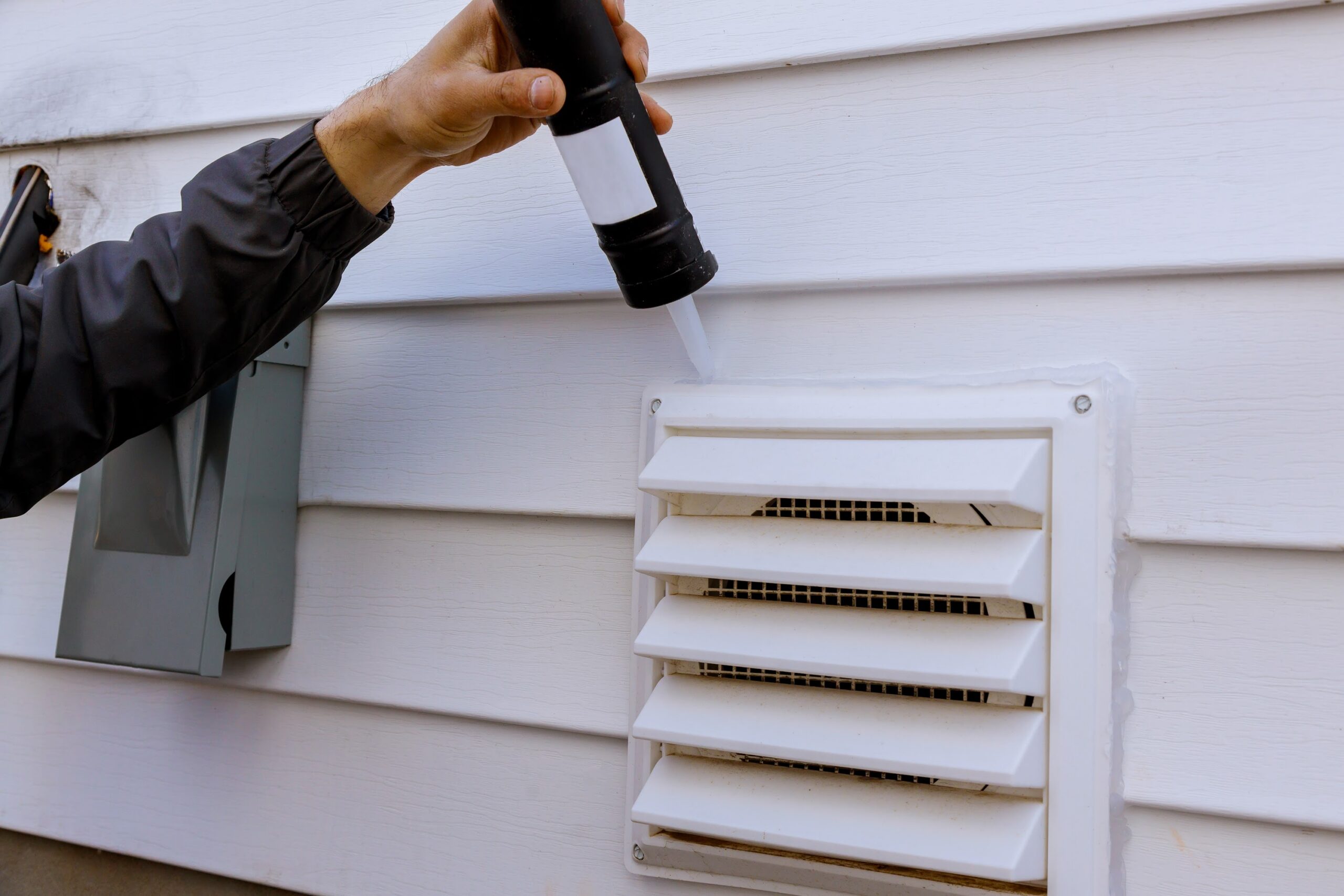
- Cracked or missing caulk or sealant: Look around the chimney base or flashing joints. Missing or brittle sealant invites water in.
- Stains or efflorescence on chimney bricks: White powdery residue or water stains mean moisture has likely gotten inside or behind the bricks.
- Water streaks or dark patches: Check the siding below areas with flashing. Streaks or stains suggest water is seeping down the wall rather than draining properly.
These visible signs point to loose flashing or small gaps. While they may seem minor, small issues can quickly worsen when the rain starts falling and freeze-thaw cycles begin.
Repair Options: Reseal, Replace, or Rebuild
When you spot flashing issues early through a roof leak inspection, you have choices. The right path depends on the extent of damage and the degree of integration between the flashing system and your roof/chimney. Here are your options:
- Reseal: For minor issues, such as small nail holes, sealant cracks, or isolated flashing edges, resealing can buy you time.
- Replace: If you find rusted, bent, warped, or improperly installed flashing, replacement is the safer long-term fix.
- Rebuild: If water has infiltrated around the flashing and damaged the underlayment, chimney crown, or framing, you may need to rebuild the flashing system or the chimney crown itself.
DIY sealants offer a short-term fix, but professional help is best to ensure watertight flashing layers. The licensed roofers at S&K Roofing, Siding & Windows conduct comprehensive roof leak inspections and determine whether the issue is isolated to flashing or requires deeper repair. We present our findings to you and deliver honest, no-pressure recommendations for how to handle it.
Book a Leak-Prevention Check Before Winter Rains Arrive
S&K Roofing has been serving Maryland homeowners since 1980. We’re known for our honest assessments, meaning if you don’t need a major flashing rebuild, we’ll tell you. With an experienced team behind us, we make scheduling inspections and service a fast, stress-free process.
We’re ready to check your flashing system and make sure it can handle the upcoming season. Schedule your inspection today.


see our work