

After Autumn Windstorms- Photo Evidence, Temporary Protection & Claim Basics
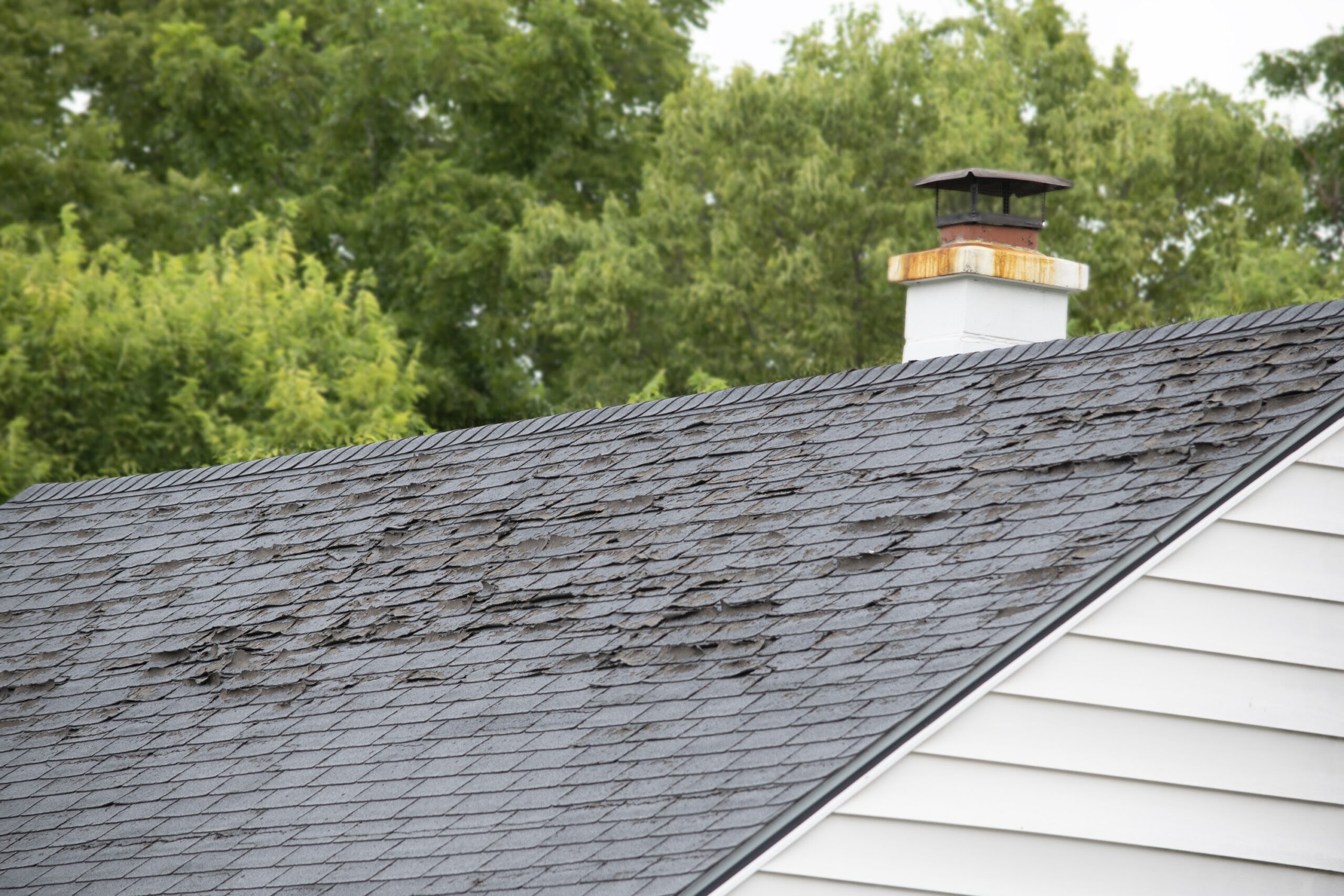
Autumn storms can bring big surprises for homeowners. A few bad gusts and some heavy rain can be enough to damage roofing systems like shingles, flashing, and underlayment. They also can wreck interior structures and siding. If you notice new leaks, missing materials, or visible wind-lift after a storm, that’s when a claim is worth considering.
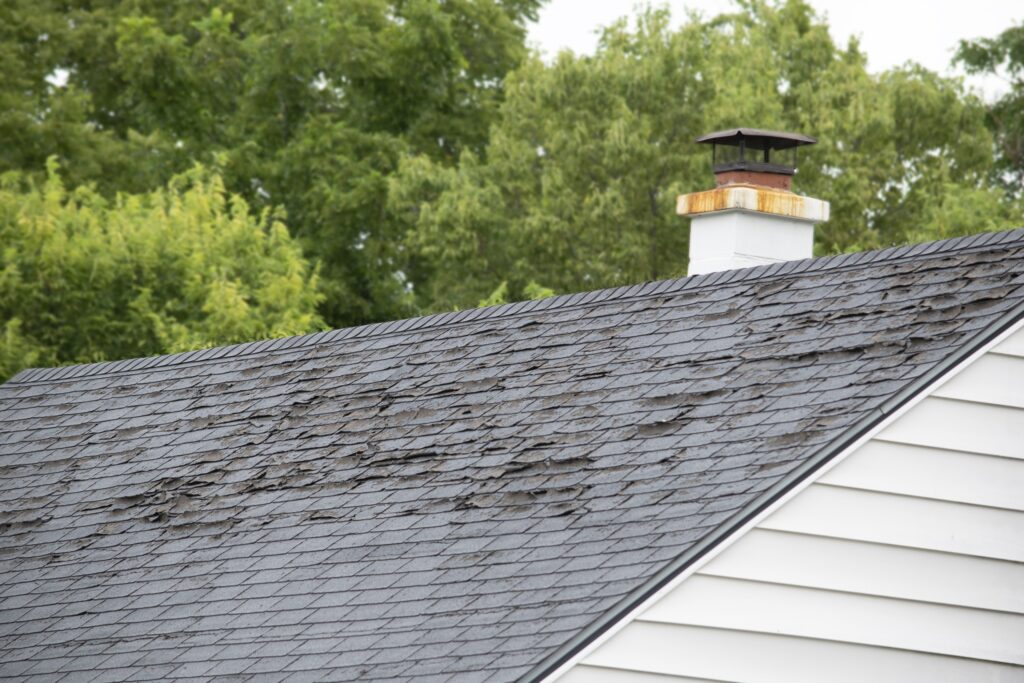
Documenting Damage With Photos, Dates, and Notes
First, you want to gather evidence as soon as possible after a storm passes. Close-up photos of damage from less than 24 hours after a weather event provide some of the strongest proof to support an insurance claim. Get as close to the damage as you’re comfortable doing. Close-up images must show some or all of the following signs of damage.
- Creases around nails around wind-lifted shingles
- Bent flashing
- Missing materials
- Lost granule from shingles
- Damage to drip edge and eaves
You should also check the downspouts for your gutters. Frequently, granule loss from asphalt shingles ends up washing down the gutter system and collecting at the bottom of the spouts. Another good piece of supporting photographic evidence is anything that shows nearby downed branches or damage to vehicles and structures.
If your local newspaper publishes images of damage, even to other buildings, grab a hard copy and take photos of it. Ideally, try to capture both the story about the storm and the date. Screenshot the local weather reports, too.
Write down the dates and times related to the storm. Also, make note of where you saw damage and what happened. Not only do these support your claim, but they can refresh your memory if an insurance adjuster has questions.
Protecting the Roof With Interior Catchment and Temporary Covers
As soon as you have the chance, get buckets under active leaks. Move furniture, clothing, and valuables away from the affected area. Take photos of the water damage and the condition of your personal property as you clean up. Make written notes, too. Your goal is to show the insurance company that you made a reasonable effort to limit the damage in the aftermath of the storm.
Temporary exterior protection is also important. Use emergency tarping to cover any holes or cracks on the roof. If the hole is large, complex, or in a dangerous spot, ask our roofers to handle the job. Optimally, the tarps should extend four feet beyond the edge of the affected area to minimize the risk of water damage from a subsequent storm.
When you secure the tarps, avoid using nails to secure them. The insurance company may determine that this led to damage not covered by your policy. Instead, batten the tarp with solid 2×4 boards that are longer than the side of the tarp they’re holding down.
Document your costs as you address the issue. Most insurance policies do cover mitigation costs for the period between the storm and the approved roofing repairs.
Working With Pros: Scope, Materials Match, and Red Flags
Our roofers are happy to tell you our company’s state contractor license number. The state’s contracting website will let you independently verify our status. Likewise, we can provide documentation of our liability insurance policy.
When we perform the inspection, talk with us about matching your shingles by brand, color, and style. Also, ask about code requirements, such as drip edge and ice shielding.
You will likely talk with other contractors, so know the red flags. Any company that offers a free roof or says they waive the deductible for roofing is likely engaging in insurance fraud. Be wary of anyone who knocks on your door out of the blue offering roofing services, requests full payment upfront, or is unwilling to provide references. Also, steer clear of anyone who claims to be an insurance specialist or to have some special inside track with the insurance company.
Your First-48-Hours Checklist
- Take 20+ photos with timestamps
- Apply temporary protection if safely possible
- Contact insurer within 24 hours to open a claim
- Request a roof inspection within five days
- Document the date and time of the storm and maximum wind speed
- Inventory damaged property
- Log all communications with roofers and claims adjusters
- Save receipts for mitigation materials
Request a Professional Roof Assessment
S&K Roofing is happy to assist you with work arising from a roof insurance claim in Maryland, whether you need roof repairs or replacement. We are a family business with offices in Eldersburg, MD and Sterling, VA. Our company is licensed in both states, as well.
If you’d like a no-obligation quote for autumn storm damage to your Eldersburg home’s roofing or siding, contact S&K Roofing right away.

see our work